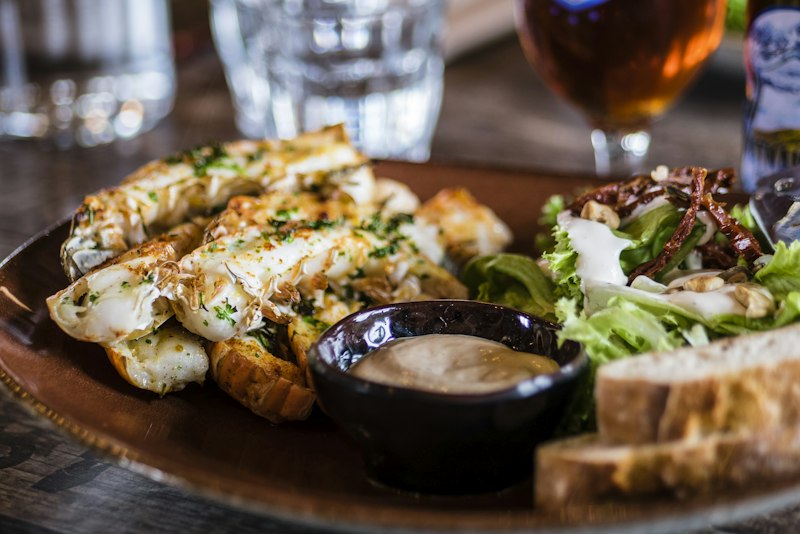
Every time you sear a steak, toast bread, roast coffee beans, or bake cookies, you're witnessing the same chemical reaction — and it's responsible for more deliciousness per square inch than anything else in cooking. It's called the Maillard reaction (pronounced 'my-YARD'), named after French chemist Louis-Camille Maillard who first described it in 1912. Here's why it matters.
What Actually Happens
At temperatures above 280°F (140°C), amino acids (from proteins) react with reducing sugars (like glucose and fructose) to create hundreds of new compounds. These compounds include melanoidins (which give browned food its color) and a staggering variety of volatile aroma molecules. A single seared steak produces over 600 distinct flavor compounds. For comparison, raw meat has about 20-30.
Why Your Boiled Chicken Is Sad
Water boils at 212°F (100°C). The Maillard reaction needs 280°F+. This is why boiled or steamed food tastes 'flat' compared to roasted, grilled, or fried food — the temperature never gets high enough for Maillard magic. It's not a skill issue; it's physics. Every calorie of energy that goes into browning is paying dividends in flavor.
The Enemies of Browning
Three things will sabotage your Maillard reaction every time:
Moisture: Water on the surface must evaporate before browning can begin. This is why you pat your steak dry. Every drop of surface water is absorbing heat energy that should be going toward Maillard reactions.
Crowding: Too much food in the pan creates steam, dropping the surface temperature. Give food space. One steak per pan, not four.
Low heat: You need high, direct heat. A cold pan will slowly cook the interior before the exterior browns. Preheat everything.
The Sugar Hack
A tiny pinch of sugar (or a brush of honey) on the surface of proteins accelerates the Maillard reaction. More available sugars = faster browning = more flavor compounds. This is why glazed ham develops that incredible crust, and why a touch of sugar in a dry rub works magic on ribs. We're talking about a quarter teaspoon — enough to catalyze the chemistry without making the food taste sweet.
Maillard vs Caramelization
People confuse these constantly. Caramelization is pure sugar breaking down at 320°F+. Maillard is sugar + protein reacting at 280°F+. Creme brulee top = caramelization. Seared steak crust = Maillard. The difference matters because Maillard produces more complex, savory flavors while caramelization leans sweet and nutty.
The Bottom Line
If you learn one thing about cooking, make it this: brown your food. Dry the surface, crank the heat, don't crowd the pan, and let chemistry do what it does. The difference between good cooking and great cooking is often just the Maillard reaction doing its job.